


San Juanito · Valle de Bernal
Online wine calculator for gatherings and events
Estimate how many bottles to buy based on guests, duration, expected consumption and menu. You also get an online sommelier-style pairing recommendation for dinner at home, a family meal, a gathering with friends, a wedding or an event.
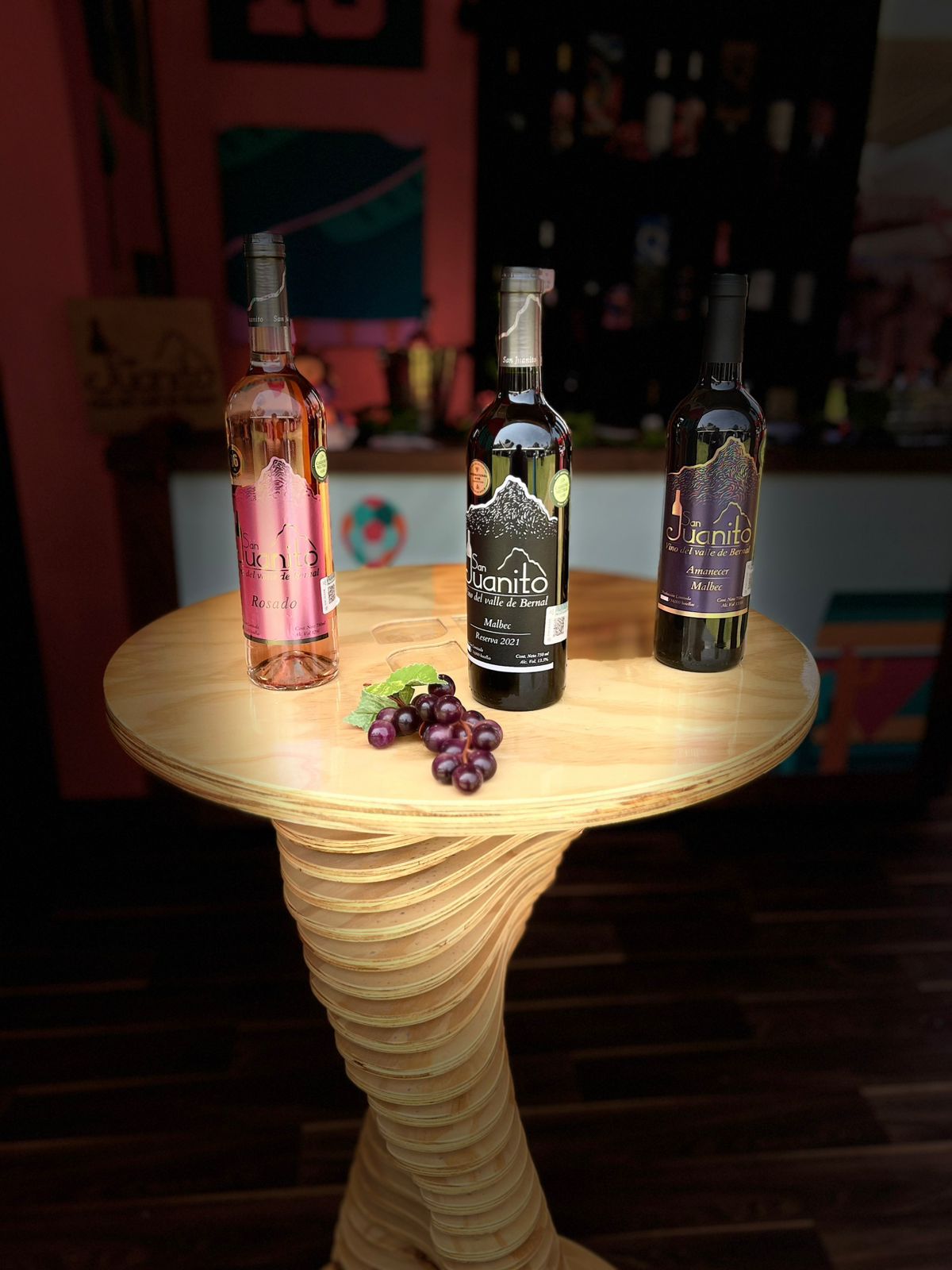
- Online wine calculator
- Calculate glasses per person
- Online sommelier for wine pairing
- Valle de Bernal, Querétaro
- 150+ medallas internacionales
- Productor carbono neutral
Build your recommendation
Adjust your gathering or event details and get a practical range of bottles, cases and pairing ideas with online sommelier logic.
Recommendation
0
bottles approx. with a safety buffer.
Operational purchase
0
12-bottle cases, rounded up.
Online sommelier: suggested pairing
How to read the result
Sdinnerrios with these inputs
How it works
How to calculate wine for a gathering
The guide starts with glasses per person, adjusts by duration and adds a margin so wine does not run short. It works for a 12-15 person lunch, dinner with friends, wedding or catered event.
Quantity
Start from low, medium or high consumption in glasses per person and convert it into bottles and cases so you can buy or quote without guesswork.
Pairing
It works like an online sommelier: it reads the menu and suggests a course-by-course route with San Juanito wines, broader Mexican wines, international wines and more adventurous options.
Next step
Send your result by WhatsApp or email, check prices on Amazon and buy the wines that best fit your gathering or event.
Calculation basis
- One 750 ml bottle equals about five 150 ml glasses, or six 125 ml glasses.
- Low consumption: 1.25 glasses per person, useful when beer, cocktails or other drinks are also available.
- Medium consumption: 1.75 glasses per person, a good starting point for lunches and dinners.
- High consumption: 2.75 glasses per person, better if wine is the main drink or the gathering will be long.
- Welcome sparkling wine is calculated separately: 7-8 glasses per bottle.
- The welcome moment before food is calculated separately.
- It adjusts by duration, lunch/dinner and adds a 10-15% buffer.
Pairing basis
- Daytime meals favor white/rosé, sparkling wines and fresh reds.
- Dinner gives reds more room, especially with meats, sauces, fat or grilled dishes.
- Tannins feel like texture: they can dry the mouth slightly and work better with protein, fat and flavorful dishes.
- Acidity refreshes; bubbles clean fat; body and temperature change how wine feels on the palate.
- The higher the alcohol, the warmer the wine feels. Serving it slightly chilled helps it not overpower the dish.
- If you do not add the menu, the calculator still works with a flexible recommendation.
- Adventurous options help when you want something less expected without losing the thread of the menu.
Responsible consumption
- Wine accompanies food beautifully and can make a gathering more enjoyable, but it is still alcohol.
- Calculate with margin to serve calmly and well, not to push extra consumption.
- Keep still or sparkling water on hand; drinking water during the meal or between glasses helps a lot.
- If someone drank more than expected, the responsible choice is not to drive and to arrange another way home.
Frequently asked questions
Common questions when buying wine for a gathering
How do I calculate wine for a gathering?
Think in glasses. If your guests will have 2 glasses each and one bottle gives about 5 glasses, a 15-person gathering needs about 6 bottles before margin. Then adjust for duration, weather, food, timing and whether beer, cocktails or other drinks will also be served.
How many bottles of wine do I need for 12 or 15 people?
For 12-15 people, 2 glasses per guest equals 24-30 glasses: roughly 5-6 bottles. If there are other drinks or the meal is short, you can go lower; if the after-meal conversation will be long or wine is the main drink, go a bit higher.
How many bottles of wine do I need for 100 people?
As a quick guide, a 100-person event is often around 30 to 40 bottles when wine accompanies the meal: that is 1.5-2 glasses per person plus buffer. If wine is the main drink, the gathering is long or there is a welcome toast, it can rise to 50-60 bottles.
Should I buy only red wine?
Definitely not always. Red wine is delicious and works beautifully with meats, sauces, grilled food or dinner, but weather and timing matter. In warm weather or daytime meals, cold whites, rosés and sparkling wines are often more appealing. For mixed groups, a balanced mix usually works better than betting everything on one style.
What wine goes with Mexican food?
Mexican food, like Mexican wine, is very diverse. Pozole with sparkling wine; mole with fruit-forward reds; tacos al pastor or grilled fish with rosé; cochinita pibil with very cold rosé or a young red; birria with a fruity red; ceviche or aguachile with fresh white, rosé or sparkling wine. If the dish is very spicy, avoid wines that are too heavy or too alcoholic.
What quick tips help with wine pairing?
Think in complement and contrast. Acidity lifts fatty or acidic dishes; bubbles clean the palate; a touch of sweetness helps with spice; red wine tannins feel like a dry texture and work better with protein, fat and intense sauces. Temperature matters too: higher alcohol feels warmer, so serving the wine slightly chilled can make it friendlier.
Does this work as an online sommelier?
Yes. It does not replace a conversation with an expert, but it works as an online sommelier guide: it considers guests, timing, weather, expected consumption and dishes to suggest wine styles and pairings that are more useful than a generic recommendation.
How should I plan responsible consumption?
Wine pairs beautifully with food and can enhance enjoyment, but it is still alcohol. Serve with pace, have enough food and keep still or sparkling water on the table; drinking water during the meal or between glasses makes a big difference. If someone drank more than expected, the responsible choice is not to drive.
Does the calculation replace a formal quote?
No. It is a guide to start well. For large gatherings, catered events, long schedules, multiple courses or special consumption patterns, it is best to adjust the calculation with the San Juanito team.


